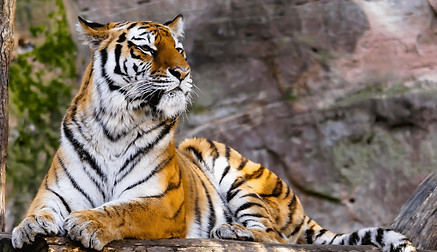
MELGHAT known to the outside world by two words “Malnutrition” and “Project Tiger’’, a hilly forest area in the Satpuda mountain ranges is a habitat for Tiger, Bison, Bear, snakes and many more animals.
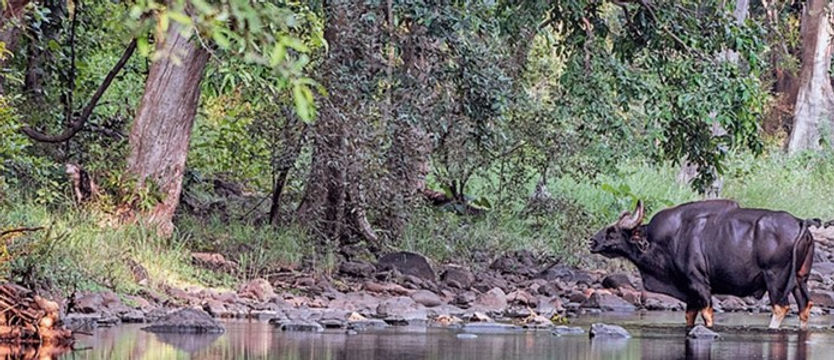
‘MELGHAT’ stands for its name, which means ‘Cluster of Ghats’.
This region is situated 150 Km away from district place Amravati & to reach there one has to cross the forest, mountains & zigzag road(sharp Ghats) of approximately 100 Km.
In summer temperature sore up to 48 Deg C, in winter mercury goes down up to 2 Degree C & It rains heavily (up to 1500mm) in rainy season. During rain, many times electricity, communication & transportation system collapses completely, sometimes continuously for 8-10 days.
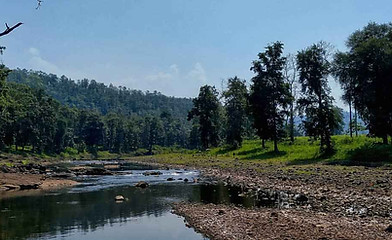
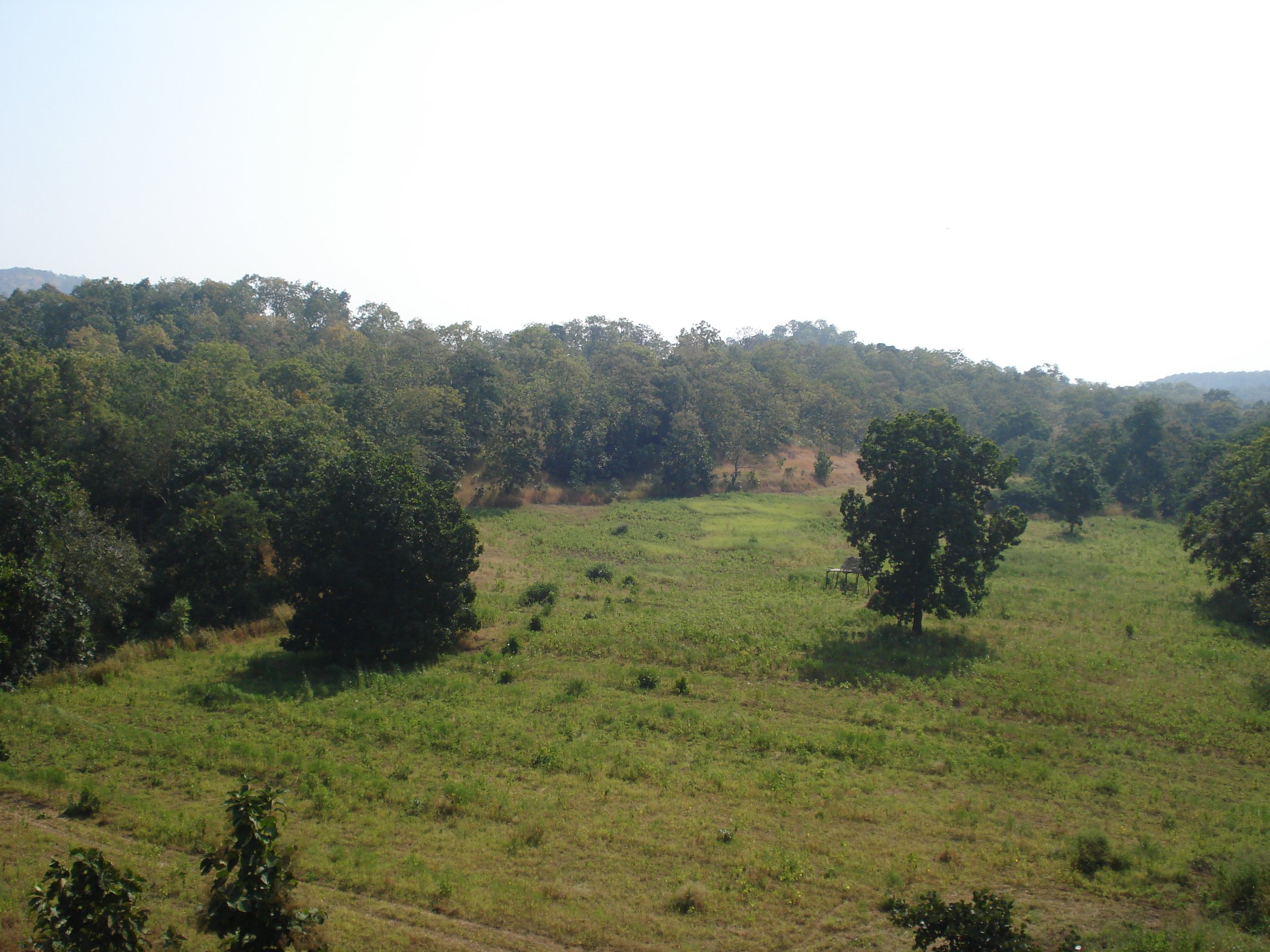
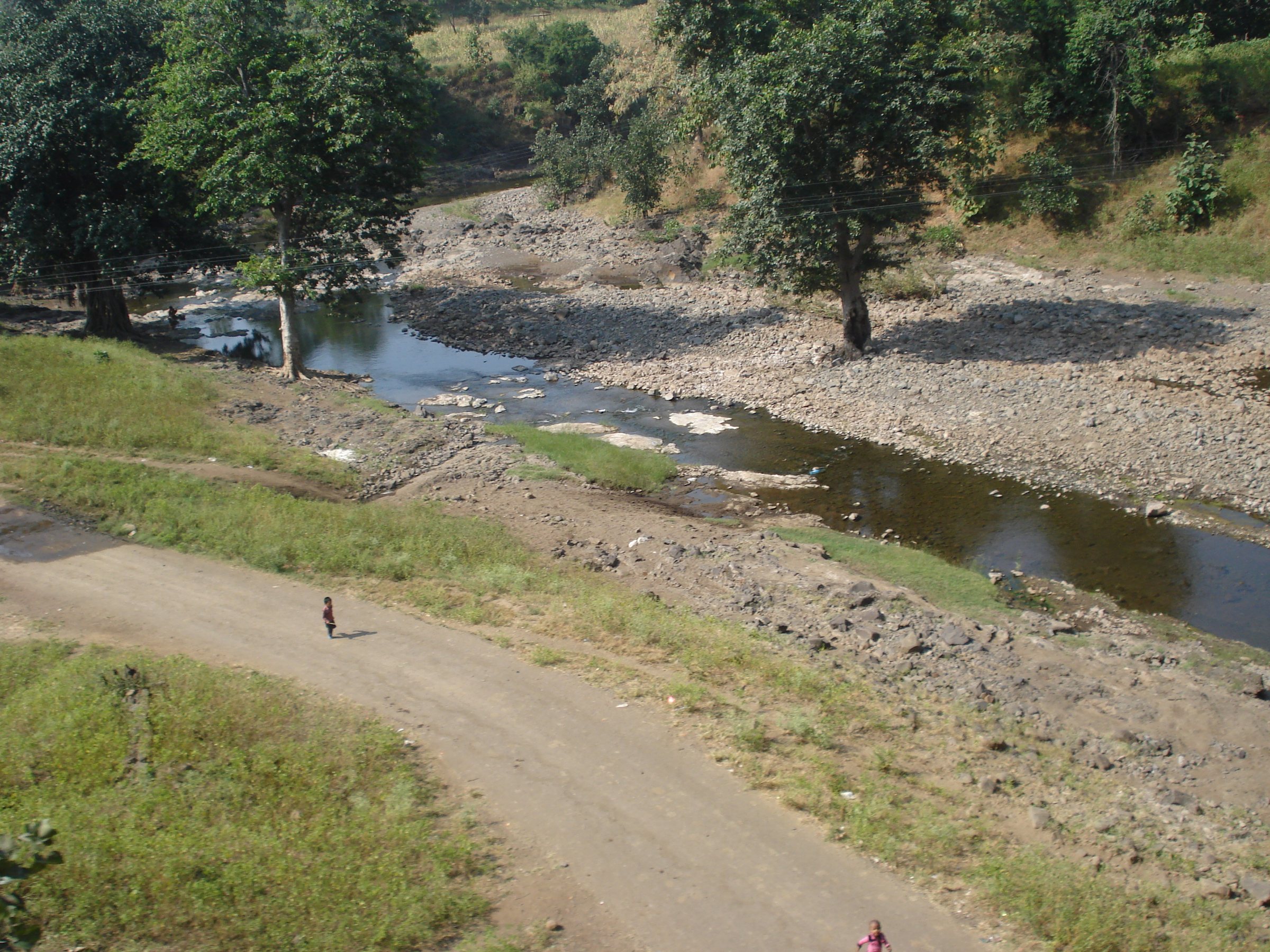
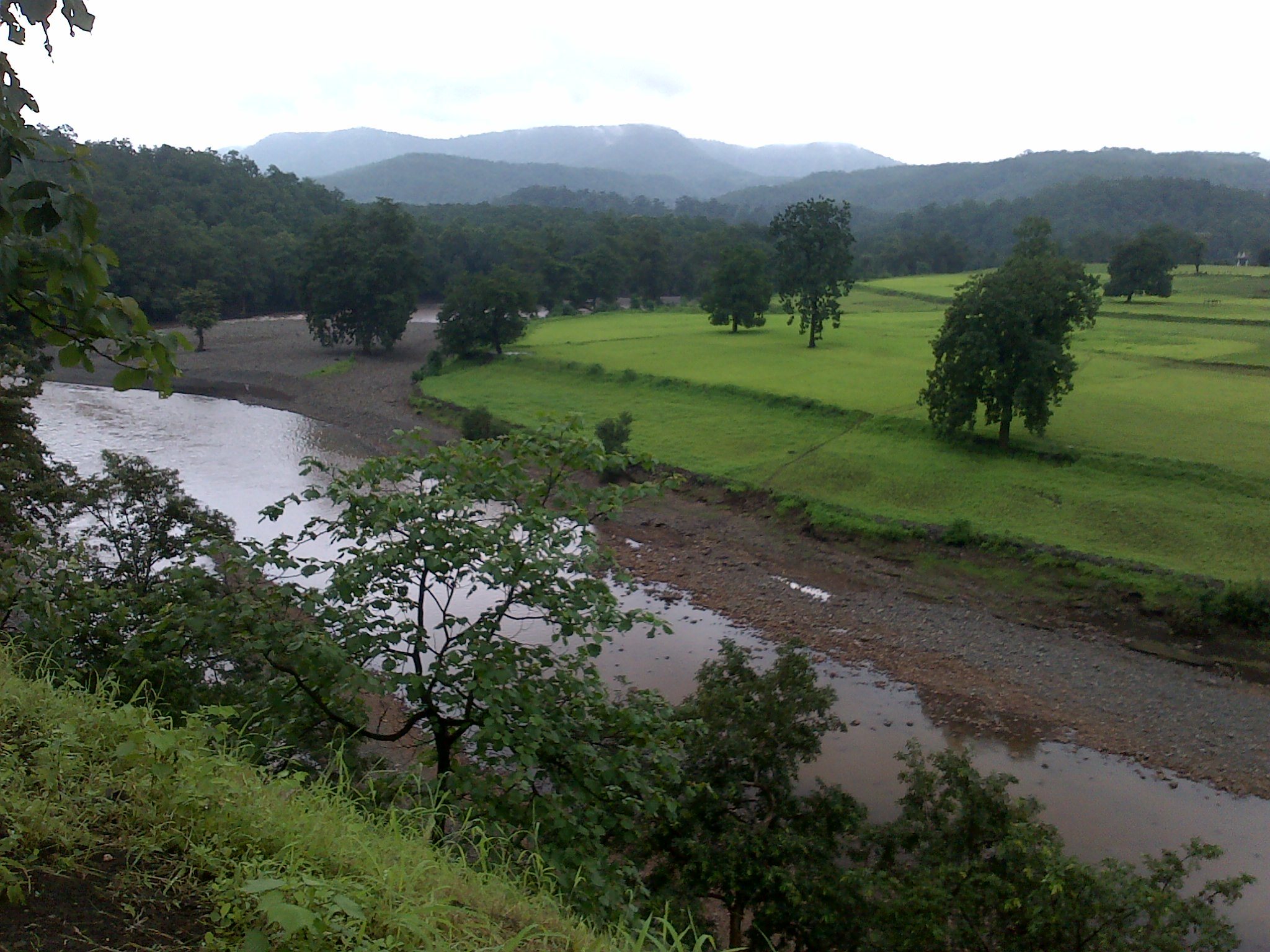
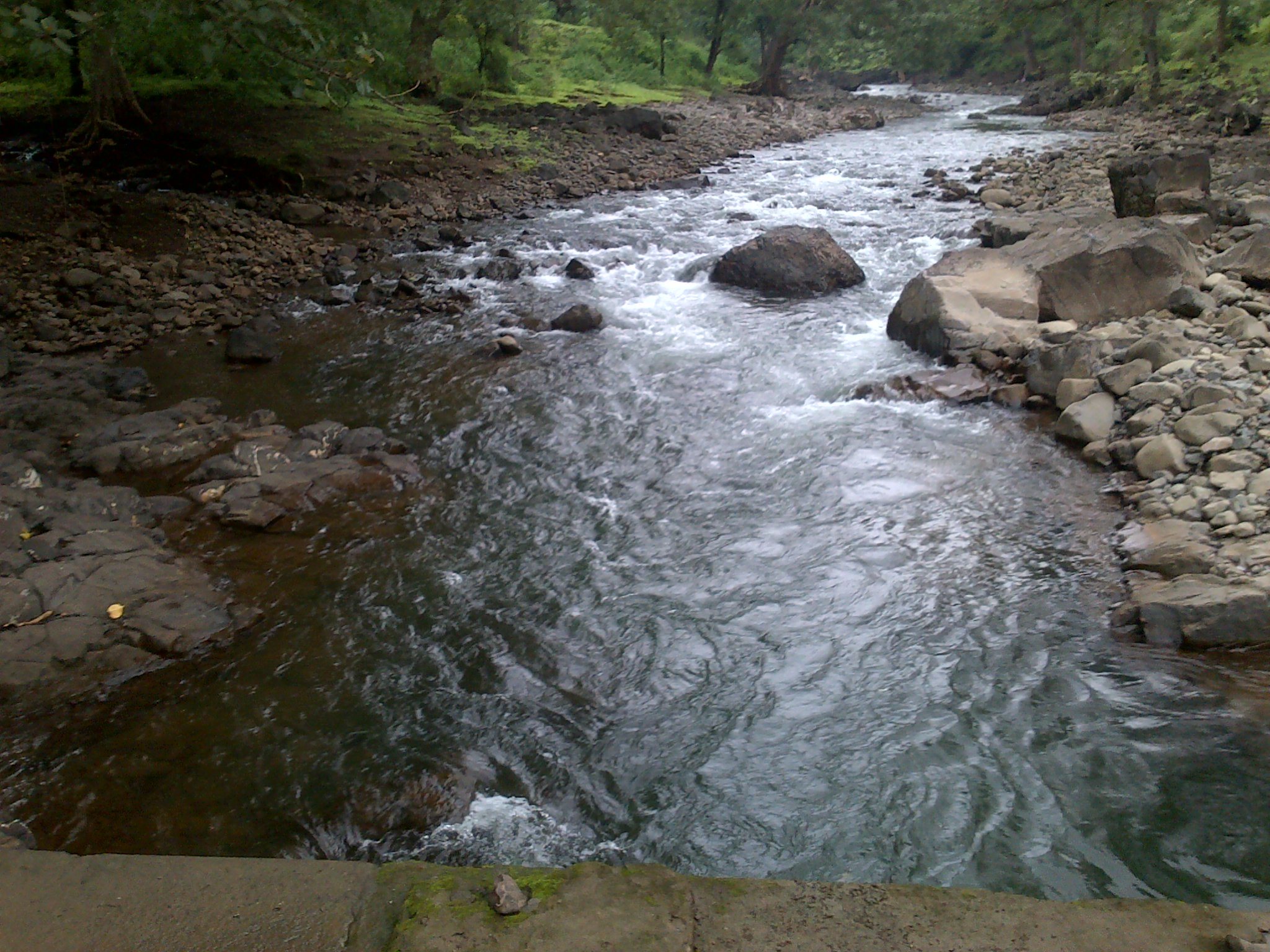
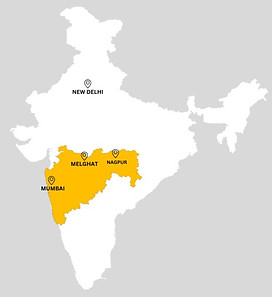
Total 320 villages spread over the area of 4000 sq. km are located far away from each other having population density is about 60-70 person per square kilometer. Many of these villages are with very poor and are deprived of facilities like connectivity, transportation, communication, electricity, basic amenities.
These villagers are highly lacking with facilities to education and health care.
Approximately 75% of the population is tribal with Korku as main tribe. Most of the tribal (>90 %) are farmers or labors living very hard life. Most of the tribal (>75%) are below poverty line & illiterate (>50%), living in hamlets (>90%).
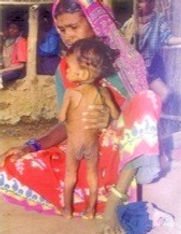
Government of India has provided Health Care facilities which includes a total 11 primary health centers, 2 rural hospitals & a sub-district hospital in Melghat region. There are two pediatricians who serve in this region however no gynecologist or anesthetist or surgeon works in the area. There is absolutely no facility for conducting cesarean section or neonatal care for new born critically ill babies.
Various health programs are implemented by the Government to improve infant and child care in this area, including integrated child development schemes for food supplementation by Self Help Groups (SHGs) and weight record of children, immunization, de worming and distribution of oral re hydration solution (ORS) by the paramedic workers.
Inspite of above, main issues in Melghat were high Premature adults deaths, Maternal mortality rate, malnutrition & deaths to due that & home deliveries (>80%.) [Under 5 children mortality rate was >100 per 1000 live births & Infant Mortality Rate (IMR) was >70 per 1000 live birth. Prevalence of severe malnutrition was more than 10%.]
This is due lack of proper & functional medical facilities (availability of doctors, staff, medicines, instruments etc.)and the tribals owing to their ignorance have consistently failed to seek medical help, instead prefer the traditional faith healers (known as bhoomka's) for treatment. These quacks also known as pujari's sometimes use cruel methods such burning the skin with red hot iron known as "Damma".Besides, this area is faced with several other health issues such as tuberculosis (pulmonary, skin and spine), pneumonia, malaria, diarrhoea, etc. To add, problems due to addiction (Tobacco, Ganja, Addiction) such as carcinoma, alcoholic gastritis,etc & animal bites are very prevalent.